Summary
Learning what to know before an Assisted Living move-in helps families reduce stress and create a smoother transition for their loved ones. The insights below, shared by community team members who welcome new residents regularly, address the preparations that matter most.
- Bring familiar belongings like family photos, favorite artwork, meaningful keepsakes, and comfort items to help the apartment feel personal and spark conversations with neighbors and staff.
- Label all clothing, glasses, and frequently used items with the resident's full name before move-in day to prevent loss during laundry and daily activities.
- Expect the first week to feel unfamiliar; keep visits calm, encourage gentle participation, and allow time for your loved one to adjust to new schedules, neighbors, and routines.
- Share personal details with community staff about preferred routines, favorite foods, sleep habits, hobbies, communication needs, and what provides reassurance or causes frustration.
- Ask which services, supplies, and programs your community already provides so you know what to bring and can help your loved one find activities that match their interests.
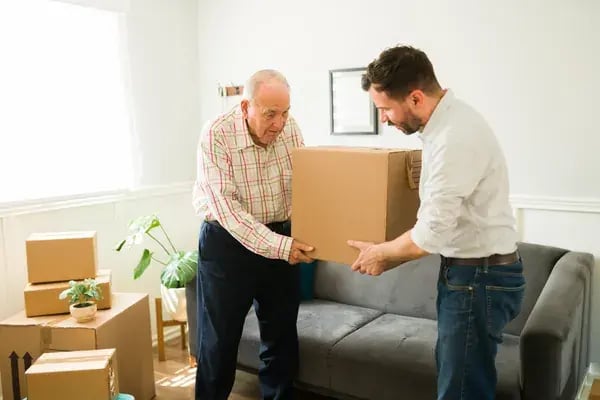
Moving to assisted living is a meaningful change for an older adult and their family. Knowing what to know before an assisted living move-in can reduce last-minute stress and help everyone approach the day with clearer expectations.
The team members who welcome new residents every day understand which preparations make the biggest difference. These practical insights can help families create a smoother, more comfortable beginning.
1. Familiar Belongings Make an Apartment Feel Personal
An apartment begins to feel familiar when it reflects the resident’s personality, interests and history. Photos, artwork and treasured belongings can offer comfort while also giving neighbors and team members natural conversation starters.
Consider bringing:
- Family photos, favorite artwork and meaningful keepsakes
- A familiar blanket, reading chair or small piece of furniture
- Favorite books, music, games or hobby supplies
- Seasonal clothing and comfortable shoes
- Frequently used personal items, such as a clock or bedside lamp
This is also an important part of understanding what families should bring to assisted living. Focus first on belongings that are useful, familiar, and emotionally meaningful.
2. Label Clothing and Personal Items
Clothing, glasses, mobility equipment, and other commonly used belongings should be labeled before move-in day. Clear labels make it easier to identify items if they're misplaced or collected for laundry.
Use permanent markers on clothing labels or order iron-on name tags. Include the resident’s full name rather than initials. Families should also keep a simple inventory of valuable or sentimental belongings.
Adding this step to an assisted living move-in checklist can prevent avoidable frustration during the first few weeks.
3. The First Week May Feel Unfamiliar
Even when someone is excited about moving, adjusting to new surroundings takes time. During the first week, residents are learning meal schedules, meeting neighbors, getting to know team members, and becoming comfortable in shared spaces.
Helpful first-week-in-assisted-living tips include:
- Keep the first few days calm and avoid overscheduling visits.
- Encourage participation without pressuring the resident.
- Ask which programs or dining times have been most enjoyable.
- Bring one or two additional personal items after the apartment is arranged.
- Allow team members time to build a comfortable routine with the resident.
Families should remain involved while giving their loved one room to form new relationships. Adjustment is a process, not a single event.
4. Personal Details Help Team Members Provide Better Support
Families know the small details that can help an older adult feel understood. Share information about preferred routines, favorite foods, sleep habits, hobbies, communication needs, and meaningful traditions.
It can help to prepare a short document covering medication information, dietary preferences, mobility considerations, hearing or vision needs, and daily rituals. Families should also explain what tends to cause frustration and what usually provides reassurance.
Open communication is central to preparing for an assisted living transition. Update the community whenever preferences or support needs change.
5. Ask What the Community Already Provides
Packing becomes easier when families know which services and supplies are included. Before purchasing household items, ask what's already available and what residents are expected to provide.
At Aston Gardens Parkland Commons, residents can benefit from our senior living programs, including Sensations Dining, Impressions Housekeeping and Maintenance, Expressions Concierge services, and scheduled Connections transportation. Our community also offers Celebrations social and recreational programs and Dimensions wellness programming.
6. New Relationships Develop Gradually
Friendships rarely form on the first day. Some residents are eager to attend programs immediately, while others prefer to observe before joining.
Families can support the process by mentioning familiar interests to team members. A resident who enjoys music, card games, educational lectures, or art may feel more comfortable attending a related program than joining a large event without context.
Gentle encouragement is useful, but residents should be allowed to settle in at their own pace.
7. A Flexible Plan Makes the Move Easier
Even a detailed plan may need to change. A favorite chair may not fit as expected, the resident may prefer a different meal time, or family members may discover that fewer belongings create a more comfortable apartment.
The goal isn't a perfect move-in day. The goal is to create a welcoming space, establish clear communication, and allow a new routine to develop naturally. Taking a flexible, step-by-step approach is one of the best ways of making an assisted living move easier.
Schedule a tour of Aston Gardens Parkland Commons today to explore the apartment homes, dining spaces, wellness areas and community programs in person.